
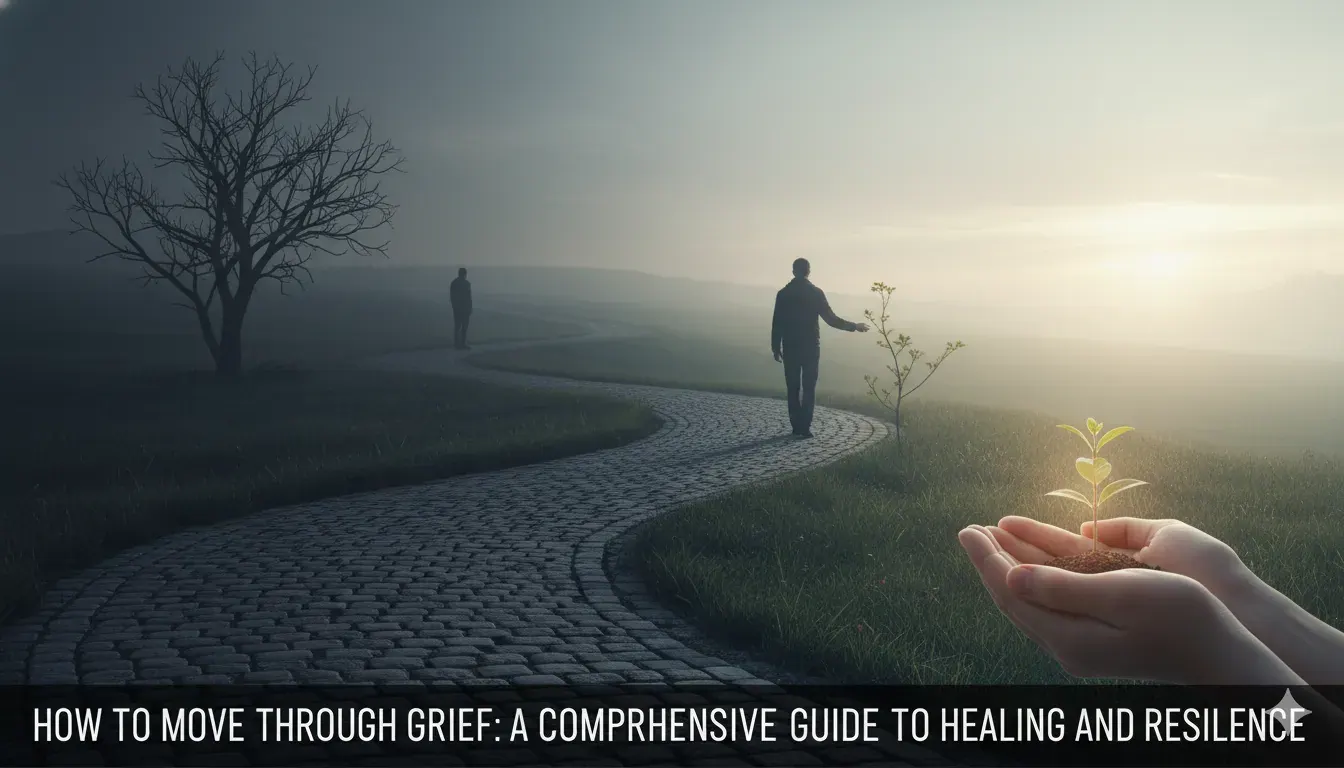
Grief is one of life's most profound and universal experiences, yet it can feel isolating and
overwhelming when you're in its depths. Whether you've lost a spouse, parent, or experienced
another significant life change like divorce or separation, the journey through grief can seem
impossible to navigate alone. The pain may feel unbearable, and you might wonder if you'll ever
find meaning or joy again.
The truth is that learning how to move through grief is not about "getting over" your loss it's about
learning to carry it with grace while rebuilding hope and resilience. Grief is not a problem to be
solved but a natural response to love and loss that deserves compassion and understanding.
While everyone's grief journey is unique, there are proven strategies and tools that can help you
process your emotions, honor your loved one's memory, and gradually find your way forward.
This comprehensive guide will walk you through the essential aspects of grief recovery, from
understanding the nature of grief itself to practical tools for healing and knowing when to seek
professional support. Remember, moving through grief takes time, patience, and often the
guidance of someone who understands your journey.
Understanding Grief
Grief is the natural emotional response to loss, encompassing the deep sorrow, yearning, and
complex feelings that arise when someone or something significant is no longer part of your life.
It's important to understand that grief extends beyond death it can occur after divorce, job loss,
health changes, or any significant life transition that represents an ending.
Common emotional responses to grief include sadness, anger, guilt, confusion, relief, and
numbness. You might experience intense longing for your loved one, feel angry at the unfairness
of your situation, or struggle with guilt over things said or unsaid. These reactions are completely
normal and part of the human experience of loss.
There are several types of grief that you should be aware of. Anticipatory grief occurs before an
actual loss, such as when a loved one is terminally ill. Complicated grief happens when the
normal grieving process becomes prolonged and interferes with daily functioning. Disenfranchised
grief refers to losses that society doesn't typically recognize or validate, such as the death of a
pet or the end of an extramarital relationship.
The most crucial step in learning how to move through grief is acknowledging its presence in
your life. Many people try to suppress their grief or rush through it, but this often prolongs the
healing process. Acknowledging your grief means accepting that your pain is valid, your
feelings are legitimate, and your loss matters deeply.
The Grieving Process
The stages of grief, first introduced by Elisabeth Kübler-Ross, provide a framework for
understanding the emotional journey many people experience. These five stages denial, anger,
bargaining, depression, and acceptance are not a rigid roadmap but rather common experiences
that may occur in any order or simultaneously.
Denial often serves as a protective mechanism, allowing you to absorb the reality of your loss
gradually. You might find yourself expecting your loved one to walk through the door or reaching
for the phone to call them. Anger can manifest toward yourself, others, God, or even your deceased
loved one. Bargaining involves attempting to negotiate with a higher power or searching for ways
to undo the loss. Depression represents the deep sadness and emptiness that accompanies grief,
while acceptance doesn't mean you're "over" your loss but rather that you've learned to live with it.
Grief manifests in multiple dimensions of your being. Physically, you might experience fatigue,
changes in appetite, sleep disturbances, headaches, or a weakened immune system. Emotionally,
grief can bring waves of intense sadness, anxiety, irritability, or emotional numbness. Spiritually,
you may question your faith, feel disconnected from your beliefs, or conversely, find deeper
meaning in your spiritual practices.
Understanding that grief is not linear is crucial for anyone learning how to move through grief
effectively. You might have a good day followed by several difficult ones, or experience multiple
emotions simultaneously. This back-and-forth nature of grief is completely normal and doesn't
indicate that you're not healing properly. Progress in grief recovery often looks like waves
sometimes gentle, sometimes overwhelming, but gradually becoming more manageable
over time.
Practical Tools for Moving Through Grief
Developing practical strategies for dealing with grief can provide structure and support during your
healing journey. These tools offer concrete ways to process emotions and move forward while
honoring your loss.
Journaling serves as a powerful outlet for processing complex emotions and tracking your grief
journey. Consider writing letters to your loved one, documenting memories, or simply expressing
your daily feelings. Stream-of-consciousness writing can help release emotions you might not even
realize you're carrying. Many people find that reviewing their journal entries over time reveals
patterns and progress they hadn't noticed.
Mindfulness and meditation techniques can help you stay present with your grief without
becoming overwhelmed by it. Simple breathing exercises, guided meditations specifically designed
for grief, or mindful walking can provide moments of peace amid emotional turbulence. These
practices don't eliminate grief but help you develop a healthier relationship with difficult emotions.
Support groups offer invaluable connection with others who understand your experience. Whether
in-person or online, grief support groups provide a safe space to share your story, learn from others,
and realize you're not alone. Group grief coaching combines professional guidance with peer
support, offering both expertise and community.
Creating a comprehensive grief recovery plan involves setting gentle goals for yourself while
remaining flexible. This might include daily self-care activities, weekly check-ins with supportive
friends, monthly grief counseling sessions, or seasonal rituals to honor your loved one. A grief
recovery plan provides structure without rigid expectations, allowing you to move through grief
at your own pace.
Additional practical tools include maintaining routines that provide stability, engaging in physical
activity to support your overall well-being, and practicing self-compassion when difficult days arise.
Consider creating a "grief toolkit" of activities, resources, and support contacts you can access
when emotions feel overwhelming.
Finding Purpose and Meaning After Loss
One of the most challenging aspects of coping with loss is discovering how to create meaning from
your experience and find purpose moving forward. This process, often called "meaning-making," is
essential for long-term healing and resilience.
Reframing your loss doesn't mean minimizing its impact or finding silver linings where none exist.
Instead, it involves exploring how your experience might contribute to your personal growth,
deepen your empathy, or inspire you to help others. Consider how your loved one's life and legacy
might guide your future decisions and actions. Many people find that their loss ultimately leads
them to new purposes, whether through volunteer work, career changes, or deeper relationships
with family and friends.
Faith often plays a significant role in healing from loss, providing comfort, community, and a
framework for understanding suffering and hope. Whether you find solace in traditional religious
practices, spiritual exploration, or a personal relationship with the divine, faith can offer strength
during your darkest moments. Faith-based grief classes provide a supportive environment where
spiritual questions and struggles are welcomed and explored with compassion.
Honoring your loved one's memory creates ongoing connection and meaning. This might involve
continuing traditions they valued, supporting causes they cared about, or creating new rituals that
celebrate their life. Some people establish scholarships, volunteer for meaningful organizations, or
simply live in ways that reflect their loved one's values. These acts of remembrance can transform
grief into love in action.
Mourning to meaning sessions can help you explore these themes with professional guidance,
allowing you to process your loss while gradually discovering new sources of purpose and hope.
When to Seek Professional Help
Recognizing when you need additional support is a sign of strength, not weakness. While
grief is a natural process, sometimes professional guidance can provide tools and perspectives
that accelerate healing and prevent complicated grief from developing.
Consider grief coaching if you feel stuck in your grief, unable to function in daily life, or if your
grief feels overwhelming months after your loss. Other signs include persistent thoughts of
self-harm, complete withdrawal from relationships and activities, or inability to accept the reality
of your loss after an extended period. Professional help is also beneficial if you're experiencing
multiple losses simultaneously or if your grief is complicated by trauma, guilt, or unresolved
relationship issues.
One-on-one grief coaching provides personalized attention and customized strategies for your
specific situation. This individual approach allows for deep exploration of your unique grief
experience and the development of tailored coping strategies. Group grief coaching offers the
benefits of professional guidance combined with peer support, helping you realize you're not
alone while learning from others' experiences and insights.
Professional grief coaches who have walked similar paths bring both personal understanding
and professional training to your healing journey. They can help you navigate the complexities of
grief while providing practical tools for moving forward with hope and resilience.
Conclusion
Learning how to move through grief is not about rushing to an endpoint but about developing the
tools, support, and understanding needed to carry your loss with grace while rebuilding meaning in
your life. Grief is not something you "get over" but rather something you learn to integrate into your
ongoing story of love, loss, and resilience.
Remember that healing is possible, even when it feels impossible. Your grief is a testament to the
depth of your love, and with time, support, and the right tools, you can learn to honor your loss
while embracing hope for the future. The journey through grief is deeply personal, but you don't
have to walk it alone.
Every step forward, no matter how small, is progress. Be patient with yourself, seek support
when you need it, and trust that healing is possible. Your loved one's legacy can become a source
of strength and purpose as you learn to carry their memory forward while creating new meaning in
your life.
Ready to begin your healing journey? Toni Ward Grief Coaching offers compassionate,
professional support for individuals navigating loss and seeking to rebuild hope and resilience.
Whether you're interested in one-on-one coaching, group support, or faith-based grief classes,
we're here to walk alongside you with understanding and expertise.
Schedule a free consultation today by calling 443-643-7391 or visiting
[toniwardgriefcoaching.com](https://toniwardgriefcoaching.com/). Take the first step toward
healing you deserve support, hope, and the possibility of finding meaning after loss.