
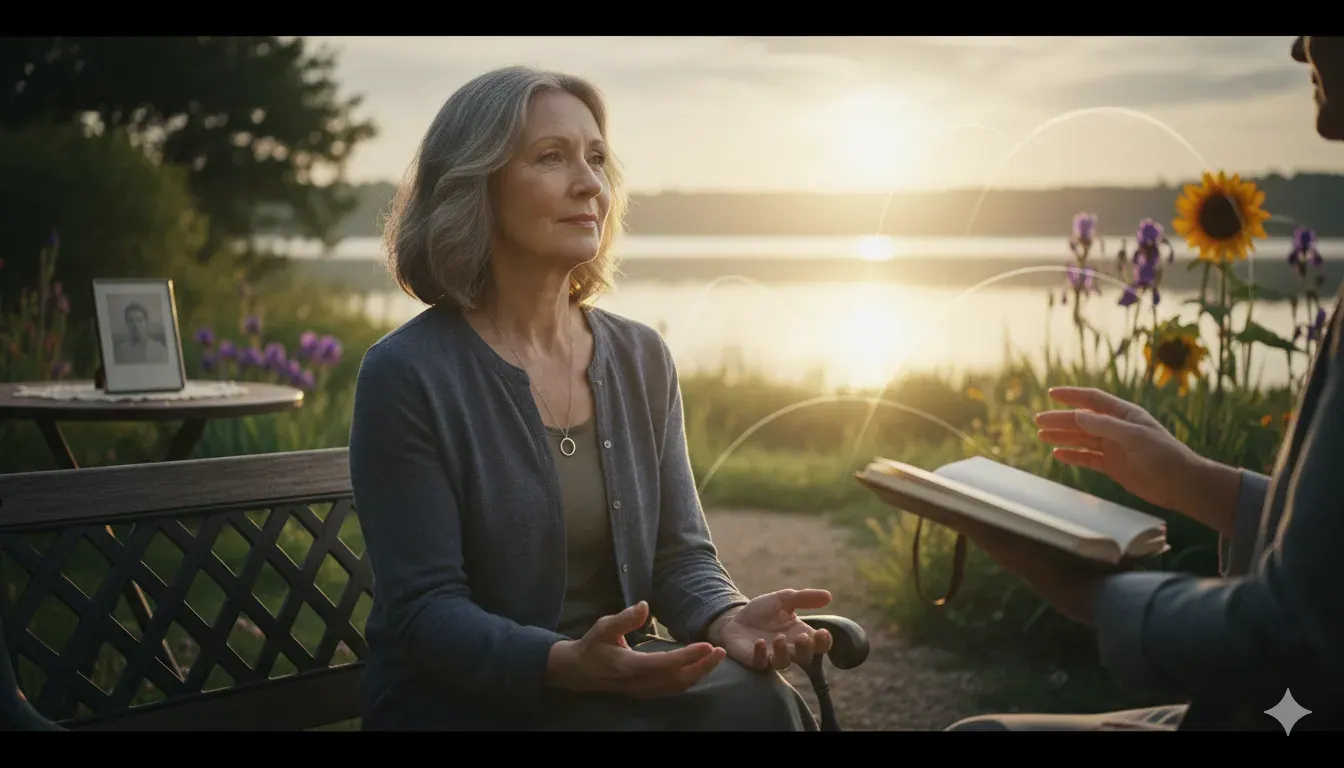
Losing a spouse represents one of life's most profound and devastating experiences,
fundamentally altering every aspect of your existence. The journey through widowhood brings
unique challenges that extend far beyond the initial shock of loss, affecting your identity, daily
routines, financial security, and emotional well-being. Grief coaching for widows offers
specialized support designed specifically for those navigating this complex terrain of
spousal loss.
Grief coaching is a professional service that provides compassionate guidance, practical
tools, and personalized strategies to help individuals process their grief while rebuilding purpose
and resilience. Unlike traditional counseling approaches, grief coaching focuses on moving
forward while honoring your loved one's memory, emphasizing empowerment and hope rather
than dwelling solely on loss.
For widows, the psychological effects of spousal loss can be particularly overwhelming.
Research indicates that widows face increased risks of depression, anxiety, and social isolation.
The sudden shift from "we" to "I" creates an identity crisis that requires specialized attention.
Professional support for widows through grief coaching addresses these unique challenges
by providing a safe space to explore complex emotions, develop coping strategies, and
gradually reconstruct a meaningful life. This specialized approach recognizes that coping with
losing a partner involves not just emotional healing, but practical life restructuring and rediscovering personal identity beyond the partnership that defined so much of your previous existence.
Understanding Your Grief
Grief is not a linear process with a predetermined timeline, despite common misconceptions
suggesting otherwise. The widely referenced stages of grief denial, anger, bargaining,
depression, and acceptance were originally developed for those facing their own mortality,
not for survivors processing loss. For widows, grief often manifests as a cyclical experience
where emotions ebb and flow unpredictably, sometimes revisiting earlier stages months or
years after the initial loss.
Understanding that your grief journey is entirely unique helps dispel harmful myths that
suggest you should "move on" within a specific timeframe. Many widows experience what
experts call "continuing bonds," maintaining an ongoing relationship with their deceased
spouse through memories, rituals, or spiritual connections. This is not pathological but
rather a healthy adaptation that allows love to persist beyond physical presence.
Common misconceptions about grief recovery include the belief that healing means
forgetting your spouse or that remarrying indicates you've "gotten over" your loss. These false
narratives can create additional guilt and confusion during an already challenging time.
Professional grief coaching helps distinguish between healthy grieving and complicated grief
patterns that may require additional intervention.
Grief manifests differently in daily life for each widow. Some experience physical symptoms
like fatigue, sleep disturbances, or changes in appetite. Others struggle with cognitive
challenges, including difficulty concentrating or making decisions. Social aspects of grief
might include withdrawal from previously enjoyed activities, discomfort in couple-centered
social situations, or challenges maintaining friendships that were shared with your spouse.
Finding purpose after loss often becomes a central theme as widows navigate practical
challenges like managing finances independently, making major decisions alone, or simply
figuring out how to fill the time previously spent with their partner. Recognizing these
manifestations as normal grief responses rather than personal failings is crucial for healthy
processing and eventual healing.
The Role of a Grief Coach
A grief coach serves as a compassionate guide who walks alongside you during your
healing journey, offering professional expertise combined with genuine understanding of loss.
During grief coaching for widows sessions, you can expect a safe, non-judgmental
environment where your emotions are validated and your healing process is honored at your
own pace. Sessions typically focus on identifying your specific needs, developing personalized
coping strategies, and establishing realistic goals for moving forward.
The coaching relationship differs significantly from traditional therapy in several key ways.
While therapy often explores past traumas and psychological patterns, grief coaching
emphasizes present-moment challenges and future-oriented solutions. Coaches help you
develop practical skills for managing daily life as a widow while building resilience for
long-term healing. The approach is action-oriented, focusing on what you can do today to
support your well-being rather than extensive analysis of past experiences.
Coaching for grieving spouses provides numerous benefits that extend beyond
emotional support. Personalized grief support recognizes that your relationship with your
spouse was unique, making your grief equally distinctive. A skilled coach helps you identify
your specific strengths, values, and resources while developing customized strategies that
align with your personality and circumstances.
The coaching process often includes practical elements like establishing new routines,
setting boundaries with well-meaning friends and family, and making important decisions
about your living situation or social activities. Coaches also provide accountability and
encouragement as you gradually re-engage with life, celebrating small victories and providing
support during setbacks.
Many grief coaches bring personal experience of loss combined with professional training,
offering both empathy and expertise. This combination creates a unique therapeutic
relationship where you feel truly understood while receiving evidence-based guidance for
healing and growth.
How to Choose the Right Grief Coach
Selecting the right grief coach is a crucial decision that can significantly impact your healing
journey. When evaluating potential coaches, look for specific qualifications including
certification from reputable grief coaching programs, relevant educational background in
counseling or psychology, and demonstrated experience working specifically with widows.
Professional credentials matter, but equally important is evidence of ongoing education and
commitment to best practices in grief support.
The importance of personal connection cannot be overstated when choosing a coach. You
need someone with whom you feel comfortable sharing your deepest emotions and most
vulnerable moments. Many effective grief coaches have personal experience with significant
loss, providing them with authentic empathy and understanding that purely academic training
cannot replicate. However, personal experience alone is insufficient look for coaches who
combine lived experience with professional development.
During initial consultations, ask specific questions to determine if a
coach is the right fit for your needs:
- What is your specific experience working with widows?
- How do you approach the balance between honoring my spouse's memory and
moving forward?
- What does a typical coaching session look like?
- How do you measure progress in grief coaching?
- Do you offer faith-based grief support if that's important to me?
- What is your philosophy about the grief process and timeline?
Consider practical factors like scheduling flexibility, session format preferences (in-person
versus virtual), and fee structures. Some coaches offer grief workshops in addition to individual
sessions, providing opportunities for both personal and group support. The right coach should
demonstrate patience with your questions, respect for your unique situation, and clear
communication about their approach and expectations.
Trust your instincts during the selection process. The coach who looks perfect on paper may
not feel right personally, while someone with fewer credentials might provide exactly the
connection and support you need for healing.
Practical Tools and Strategies in
Grief Coaching
Effective grief coaching for widows incorporates various practical tools and evidence-based
strategies to help manage the daily realities of loss while building long-term resilience. These
approaches are typically customized to match your personality, circumstances, and healing
style, ensuring that the strategies feel authentic and sustainable rather than forced or artificial.
Coping mechanisms for managing day-to-day grief often include structured approaches to
handling difficult moments, such as the "wave technique" for managing sudden grief surges.
This involves recognizing that intense emotions will come and go like waves, learning to ride
them rather than fighting against them. Practical strategies might include creating comfort
boxes filled with meaningful items, establishing new daily routines that provide structure
without overwhelming you, and developing healthy ways to mark significant dates like
anniversaries or holidays.
Journaling and creative expression serve as powerful tools for processing complex emotions
that may be difficult to verbalize. Grief recovery often benefits from various writing exercises,
including letters to your deceased spouse, gratitude journaling to identify positive aspects of
your current life, and stream-of-consciousness writing to release pent-up emotions. Creative
expression extends beyond writing to include art therapy techniques, music, photography, or
any medium that allows emotional expression and processing.
Some widows find healing through creating memory books, quilts from their spouse's
clothing, or garden spaces dedicated to their loved one's memory. These activities provide
tangible ways to honor the relationship while channeling grief energy into meaningful creation.
Mindfulness and meditation techniques specifically adapted for grief can help manage anxiety,
improve sleep quality, and create moments of peace amid emotional turmoil. Simple breathing
exercises, body scan meditations, and loving-kindness practices can be particularly beneficial.
Many widows find that mindfulness helps them stay present rather than becoming overwhelmed
by fears about the future or regrets about the past.
Grief coaching also emphasizes practical life management skills, including decision-making
frameworks for major choices, stress management techniques, and strategies for communicating
your needs to family and friends. The goal is developing a comprehensive toolkit that supports
both immediate coping and long-term healing.
Building a Support Network
Creating and maintaining a strong support network is essential for healthy grief processing
and long-term healing. The importance of community cannot be overstated for widows, who
often experience profound isolation following spousal loss. Support for widows comes in
many forms, from formal support groups to informal friendships with others who understand
the unique challenges of widowhood.
Professional grief workshops provide structured opportunities to connect with other widows
while learning valuable coping strategies. These workshops often combine educational
elements about the grief process with peer support and practical skill-building. Many
participants find tremendous relief in discovering they're not alone in their experiences and
that their feelings are normal responses to extraordinary loss.
Connecting with other widows can happen through various channels including community
centers, religious organizations, online platforms, and grief-specific organizations. When
seeking these connections, look for groups that match your age, interests, and stage of grief.
Some widows benefit from groups specifically for recent losses, while others prefer mixed
groups that include people at various points in their healing journey.
Online platforms have revolutionized support for widows, providing 24/7 access to
understanding communities regardless of geographic location. Virtual support groups,
forums, and social media communities can be particularly valuable for those in rural
areas or with mobility limitations. However, it's important to balance online support with
in-person connections when possible.
Building your support network also involves educating existing friends and family about your
needs and boundaries. Many well-meaning loved ones don't understand grief and may need
guidance about how to provide helpful support. This might include communicating your
preferences about discussing your spouse, your need for both social connection and alone
time, and practical ways others can assist with daily life challenges.
Remember that building a support network takes time and energy, both of which may be
limited during intense grief periods. Start small and gradually expand your connections as you
feel ready and able.
Conclusion and Encouragement
Your grief journey as a widow is unique, valid, and deserving of compassionate support.
Through grief coaching for widows, you can develop the tools, strategies, and resilience
needed to navigate this challenging path while honoring your spouse's memory and rebuilding
meaningful purpose. Remember that seeking help is a sign of strength, not weakness, and that
healing doesn't mean forgetting it means learning to carry your love forward in new ways.
The road ahead may seem overwhelming, but with proper support and guidance, you can
rediscover hope, purpose, and even joy. Your story isn't ending; it's transforming into a new
chapter that honors both your past love and your future possibilities.
Ready to begin your healing journey? Toni Ward Grief Coaching offers compassionate,
professional support specifically designed for widows and those experiencing significant loss.
With personalized one-on-one coaching, supportive group sessions, and faith-sensitive
guidance, you don't have to navigate this path alone. Schedule your free consultation today by
calling 443-643-7391 or visiting https://toniwardgriefcoaching.com/ to discover how specialized
grief coaching can help you find hope, resilience, and renewed purpose after loss.