
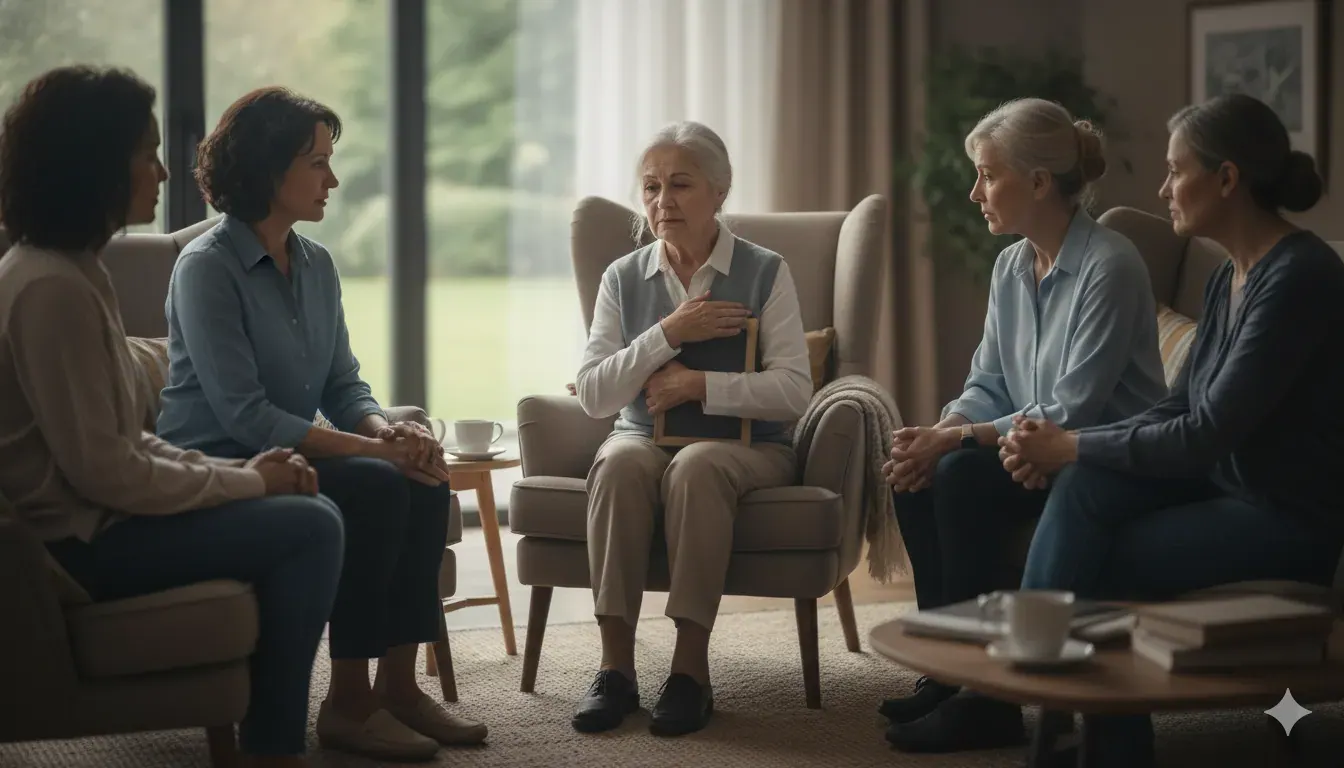
The journey through widowhood represents one of life's most profound transitions, marked by
overwhelming grief, uncertainty, and the challenge of rebuilding identity after losing a life
partner. Loss support services for widows encompass a range of professional resources
designed to provide compassionate guidance, practical tools, and emotional support during
this difficult period. These services recognize that grief is not a problem to be solved but a
natural response that requires understanding, patience, and specialized care.
The importance of grief support for widows cannot be overstated. Research consistently shows
that individuals who receive professional grief support experience better emotional outcomes,
improved coping strategies, and a greater sense of hope for the future. Without proper support,
widows may struggle with prolonged isolation, complicated grief patterns, or difficulty navigating
the practical aspects of life after loss.
Toni Ward Grief Coaching addresses these critical needs by offering comprehensive loss
support services for widows that combine professional expertise with lived experience.
Understanding that each widow's journey is unique, our approach emphasizes personalized
care, faith-sensitive guidance, and practical tools for rebuilding purpose and resilience. Through
various service offerings, we create safe spaces where widows can process their grief while
learning to embrace their new reality with hope and strength.
Understanding Grief: The Journey
of a Widow
Grief following the death of a spouse involves complex emotional, physical, and spiritual
responses that vary significantly among individuals. While traditional grief models outline
stages like denial, anger, bargaining, depression, and acceptance, modern grief understanding
recognizes that these experiences rarely follow a linear path. Widows may cycle through
different emotions, experience unexpected triggers, or find themselves revisiting earlier grief
responses months or years after their loss.
The unique challenges faced by widows extend far beyond emotional pain. Many experience
sudden responsibility for financial decisions, household management, and major life choices
they previously shared with their spouse. Social dynamics often shift dramatically, as widows
may feel like outsiders in couple-focused social circles or struggle with well-meaning but
unhelpful advice from friends and family members who haven't experienced similar loss.
Identity reconstruction represents another significant challenge, as widows must navigate the
transition from "we" to "I" thinking. This process involves rediscovering personal interests,
values, and goals that may have been intertwined with their spouse's presence. Many widows
describe feeling like strangers to themselves, uncertain about their preferences, capabilities,
or future direction.
Recognizing personal grief paths becomes essential for healing. Some widows benefit from
maintaining connections to their spouse's memory, while others find healing through creating
new traditions and experiences. Some process grief through talking and sharing, while others
prefer quiet reflection or creative expression. Professional grief coaching for widows
acknowledges these individual differences and helps each person identify their unique
pathway toward healing and growth.
Types of Loss Support Services Offered
- One-on-One Grief Coaching
Individual grief coaching provides personalized attention tailored to each widow's
specific circumstances, personality, and needs. During private sessions, widows work
directly with experienced coaches to explore their grief experience, identify coping
strategies, and develop practical plans for moving forward. This intimate setting allows
for deep emotional processing, addressing sensitive topics that might feel
uncomfortable in group settings.
One-on-one grief counseling sessions typically focus on immediate concerns while
building long-term resilience. Coaches help widows navigate practical decisions,
process complex emotions, and develop healthy grief responses. The personalized
approach ensures that cultural, spiritual, and individual preferences are honored
throughout the healing process.
- Group Coaching and Support
Group grief support creates powerful healing communities where widows connect with
others who understand their experience firsthand. These sessions provide
opportunities to share stories, learn from others' coping strategies, and realize that their
feelings and challenges are normal parts of the widowhood journey. The community
aspect reduces isolation while building lasting supportive relationships.
Group settings offer unique benefits including normalized grief experiences, diverse
perspectives on healing, and accountability for personal growth. Participants often report
feeling less alone and more hopeful after connecting with others who have successfully
navigated similar challenges.
- Grief Workshops and Webinars
Educational workshops provide structured learning opportunities covering specific
grief-related topics. These sessions might focus on managing grief during holidays,
handling legal and financial matters, rebuilding social connections, or developing new
life skills. Webinars offer convenient access to expert guidance and practical tools from
the comfort of home.
These educational opportunities empower widows with knowledge and strategies for
common grief challenges, helping them feel more prepared and confident as they navigate
their new reality.
- Faith-Based Grief Classes
Faith-based grief support integrates spiritual resources and perspectives into the healing
process. These classes explore questions about meaning, purpose, hope, and spiritual
connection that often arise during grief. Participants examine how their faith traditions
address loss while finding comfort in spiritual practices and community support.
This approach recognizes that spiritual struggles and growth often accompany grief,
providing safe spaces to explore difficult questions while strengthening faith connections
that can provide ongoing comfort and guidance.
- Grief Recovery Planning
Structured grief recovery planning helps widows develop comprehensive strategies for
rebuilding their lives after loss. This process involves setting realistic goals, identifying
support resources, and creating step-by-step plans for addressing practical and
emotional challenges. Recovery planning provides direction and hope while honoring the
ongoing nature of grief.
How to Choose the Right Grief
Support Service
Selecting appropriate loss support services for widows requires careful consideration of
personal preferences, comfort levels, and specific needs. Some widows thrive in group
settings where shared experiences provide comfort and connection, while others prefer the
privacy and personalized attention of individual coaching. Consider your personality type,
communication style, and current emotional capacity when evaluating options.
When choosing a grief coach, look for professionals who combine formal training with personal
experience of loss. Effective coaches demonstrate empathy, cultural sensitivity, and
understanding of grief's complexity. They should offer clear explanations of their approach,
respect your pace and preferences, and create safe environments for emotional expression.
Important questions to ask during initial consultations include: What is your background and
training in grief support? How do you incorporate spiritual or faith elements if desired? What
does a typical session involve? How do you measure progress? What happens if I need
additional support between sessions? How do you handle crisis situations?
Consider practical factors such as location, scheduling flexibility, cost, and insurance coverage.
Some widows benefit from services that offer multiple formats, allowing them to combine
individual coaching with group support or educational workshops. Trust your instincts about
personal compatibility, as the therapeutic relationship significantly impacts outcomes. The right
grief support should feel safe, respectful, and hopeful while challenging you toward growth and
healing.
Real Stories: Transformative Content
from Clients
Sarah, a 58-year-old widow, initially felt overwhelmed by the prospect of managing her
household and finances alone after her husband's sudden death. Through one-on-one grief
coaching, she learned to break overwhelming tasks into manageable steps while processing
her fears about independence. Six months later, Sarah reported feeling more confident and
capable than she had imagined possible, describing her coaching experience as "life-changing."
Michael, who lost his wife after a long illness, struggled with guilt and anger that complicated
his grief process. Group grief support helped him realize these feelings were normal and shared
by many widowers. The mourning to meaning approach helped him channel his caregiving
experience into volunteer work with other families facing terminal illness, creating purpose from
his pain.
Patricia found particular comfort in faith-based grief classes after questioning her spiritual beliefs
following her spouse's death. These sessions provided safe spaces to explore difficult questions
while connecting with others who understood her spiritual struggles. She described the
experience as "rebuilding my faith foundation" and credited the classes with helping her find
peace and renewed hope.
Jennifer, a young widow with small children, initially resisted seeking help, believing she should
handle grief independently. After joining group support, she discovered practical strategies for
explaining death to children while managing her own grief. The community support helped her
realize that seeking help demonstrated strength, not weakness, and provided ongoing
encouragement for single parenting challenges.
These transformative journeys illustrate how appropriate widow grief recovery services can
facilitate healing, growth, and renewed purpose. Each story demonstrates the power of
professional support combined with personal courage in creating meaningful lives after
devastating loss.
Conclusion: Taking the First Step
Towards Healing
The path through widowhood requires courage, patience, and appropriate support to navigate
successfully. Professional loss support services for widows provide essential guidance, tools,
and community connections that facilitate healing while honoring your unique grief journey.
Taking the first step toward seeking help represents an act of self-care and hope for your future.
Remember that grief is not a destination but an ongoing process that deserves professional
attention and personal compassion. With proper support, it's possible to rebuild a meaningful life
while maintaining loving connections to your spouse's memory.
Ready to begin your healing journey?
Contact Toni Ward Grief Coaching today at 443-643-7391 to explore our comprehensive grief
support services. Visit https://toniwardgriefcoaching.com/ to learn more about our one-on-one
coaching, group support, and faith-based programs designed specifically for widows seeking
hope and resilience after loss.